
Solar System for Factory in Pakistan: Payback, Planning and Price
By the EGS team. Updated 30 October 2026. 7 min read.
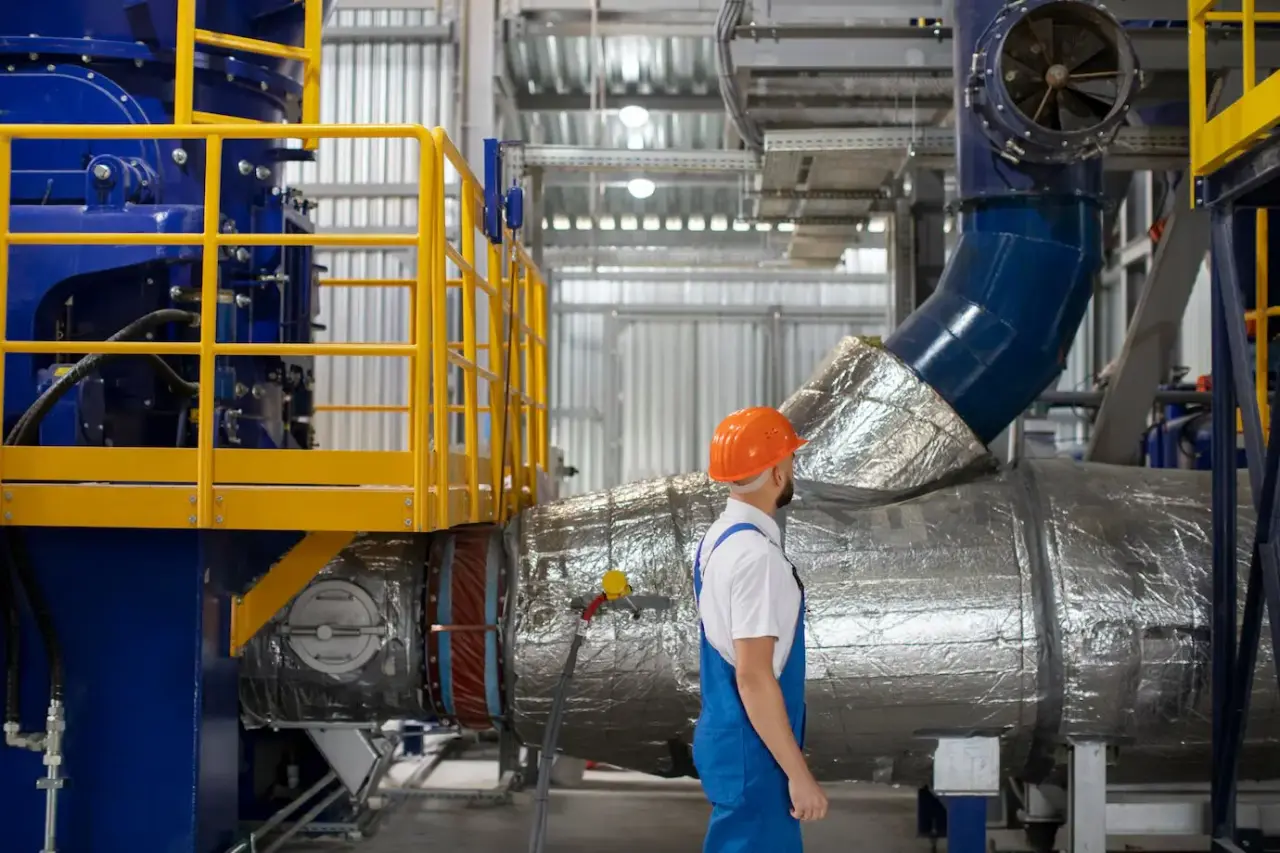
A solar system for factory in Pakistan is one of the few investments that cuts a fixed monthly cost for 20 years or more. Factories run machines, compressors and lights mostly in daylight, which is exactly when solar produces. This guide covers what drives payback, how a load and roof study works, the net billing rules in general terms, and what goes into an industrial solar system price in Pakistan. It is written for factory owners, plant managers and the EPC contractors who build these systems.
Why solar suits factories in Pakistan
Industrial units in Lahore, Faisalabad, Sialkot, Gujranwala, Multan, Karachi and other manufacturing centres share the same problems: high industrial tariffs, outages and load-shedding, and generators that burn diesel or gas at a rate nobody likes to look at.
A factory solar plant helps in three ways:
- Lower grid imports. Every unit your machines use from solar is a unit you do not buy from your DISCO at the industrial tariff.
- Less generator fuel. With the right controller, solar can share load with a generator and reduce its running hours.
- Predictable cost. Once the plant is running, the "fuel" is free. Running costs are mainly cleaning, inspection and occasional parts.
The match between solar output and factory load is what makes the numbers work. A plant that runs one or two daytime shifts can use most of its solar on site.
What drives payback on a solar system for factory in Pakistan
There is no honest single payback figure for factories. It depends on your site. These are the factors that matter most:
1. How much solar you use on site
This is the biggest factor. Under NEPRA's Prosumer Regulations, 2026, exported units are bought at a rate linked to the national average energy purchase price, while imports are billed at your applicable tariff (Business Recorder). A unit your factory uses directly is worth more than a unit you export. So a plant sized to your daytime load pays back faster than one sized to fill the roof.
2. Your tariff and time-of-use pattern
Industrial consumers on time-of-use tariffs pay more during peak hours. Solar covers daytime off-peak hours well. Battery storage can help with the evening peak if the numbers support it.
3. Shifts and working days
A factory running six days a week uses more of its solar than one running five. Weekend and holiday output either goes to the grid at the export rate or is wasted under a zero-export setup.
4. Generator use
If your site runs generators for long hours, solar can save on fuel as well as grid units. The saving depends on how the solar and generator are controlled together.
5. Climate and upkeep
Pakistan's industrial areas are dusty, summer roofs in Punjab and Sindh run far above 45 °C, winter fog and smog in Punjab cut output for weeks, and coastal sites face salt air. A system with poor structure, undersized cables or no cleaning plan will lose output every year. Quality panels and inverters, a well-built installation and a regular cleaning routine protect your payback.
6. Upfront cost
Panel and inverter prices move with the dollar and with import taxes. Structure type also matters a lot on industrial roofs.
Step one: the load study
Before anyone sizes a solar system for a factory, they need to understand how your factory uses power. A proper load study, usually done by your EPC contractor or electrical consultant, covers:
- Twelve months of electricity bills, to see seasonal patterns and units by peak and off-peak.
- Sanctioned load and connection type, including whether you are on an HT or LT connection.
- Daily load profile, ideally from a power analyser logged over several days, to show when machines start, peak and stop.
- Major loads: compressors, motors, chillers, furnaces, looms, lighting and their running hours.
- Generator details: capacity, fuel type, running hours and how changeover is done.
- Power quality: power factor, harmonics and voltage issues that might affect inverter performance.
The load study answers the most important design question: how many kW of solar can this factory actually use during the day? Once you have it, send it to us and we will suggest the panel and inverter mix to match.
Step two: the roof and structure study
Factory roofs come in many shapes, and each needs a different approach from your installer.
Metal sheet roofs
Most warehouses and sheds have corrugated or trapezoidal metal roofs. Panels are clamped to the roof profile with rails. The roof sheets, purlins and fixings must be checked for condition and load capacity, and every penetration must be sealed against monsoon leaks.
RCC roofs
Flat concrete roofs allow tilted structures with ballast or anchoring. These give better panel angles and easier cleaning access.
Ground mount
If the factory has spare land, a ground-mounted array is often cheaper per kW than a difficult roof, and easier to keep clean.
What the roof study checks
- Usable area after accounting for skylights, vents, exhaust fans and walkways
- Shade from chimneys, water tanks, nearby buildings and other structures
- Structural capacity of sheets, purlins or slab
- Wind loads, which matter for exposed and coastal sites
- Access for cleaning and safe working at height
- Cable routes to the inverter room and main panel
Usable roof area also decides panel choice. Higher-output panels such as Aiko ABC back-contact modules put more kW on the same roof, which helps when skylights and vents break up the space. See our industrial solar page for typical equipment choices.
Net metering and net billing limits for factories
Many factory owners ask whether they can sell surplus solar to their DISCO. Here is the general picture as of late 2026:
- Net billing replaced net metering for new applicants under NEPRA's Prosumer Regulations, 2026, in force from February 2026. The rules apply through every DISCO in the country.
- The scheme covers systems up to one megawatt (Business Recorder). Larger plants need a different arrangement.
- Larger systems may need technical studies before the distribution company approves interconnection.
- Agreements run for five years and can be renewed.
- Your sanctioned load and connection affect what size system your DISCO will approve, so a load extension may be part of the plan.
NEPRA has also proposed amendments during 2026, including easier approval for small systems (Business Recorder). Because the rules are still settling, check the current position with your DISCO or your EPC contractor before you commit. Read our net metering in Pakistan guide for the process.
Zero-export: the alternative
Some factories choose not to export at all. A zero-export controller limits the inverter's output so it never exceeds the factory's real-time load. This avoids the net billing process and is a common choice where daytime load is high and steady. The trade-off is that any surplus on low-load days is not used.
Solar with generators
If solar runs in parallel with a generator, the generator must not be back-fed. A generator controller or a zero-export setup keeps solar output below the generator's minimum load. This needs proper engineering by your EPC contractor, not just wiring.
Battery storage for factories
Battery storage lets a factory keep critical loads running through outages, cut generator hours and move daytime solar into the evening peak. We supply Sigenergy SigenStack, a modular LiFePO4 storage system for commercial and industrial sites. Our lithium battery for solar guide shows how to size it.
Industrial solar system price in Pakistan
The industrial solar system price in Pakistan is usually quoted per kW, and the rate per kW tends to fall as the system grows, because design, logistics and labour are spread across more capacity.
| System size | Typical use | Price (PKR) |
|---|---|---|
| 50 kW | Small factory or workshop | Ask for today's price |
| 100 kW | Medium single-shift factory | Ask for today's price |
| 250 kW | Large factory or warehouse | Ask for today's price |
| 500 kW | Multi-shed industrial site | Ask for today's price |
| 1 MW | Large industrial plant | Ask for today's price |
Prices change weekly. Ask for today's rate on WhatsApp.
What a factory quote should include
Whether you buy a complete package from an EPC contractor or buy the main equipment yourself, the paperwork should list:
- Panels, by brand and model (EGS supplies Aiko)
- Inverters, by brand and model (EGS supplies Sungrow)
- Battery storage, if needed (EGS supplies Sigenergy SigenStack)
- Mounting structure type and material
- DC and AC cabling, combiner boxes, protection and earthing
- Monitoring system
- Zero-export or generator controller, if needed
- Net billing application, if needed
- Installation, testing and commissioning by the EPC contractor
Ask for a yearly generation estimate with the quote, and the assumptions behind it. As a check, Pakistan averages roughly 120 to 140 units per kW of panels per month, depending on region and season.
Keeping a factory plant performing
Factory roofs collect dust and soot, and near the coast, salt deposits. In Punjab, smog leaves a film on panels through the winter. A cleaning schedule matters, and so do periodic checks of connectors, inverters and earthing. Inverter monitoring helps spot a fault before it turns into a month of lost output. Agree who handles this, your own maintenance team or your EPC contractor, before the plant goes live.
Get a quote for factory solar equipment
A solar system for factory in Pakistan starts with data. Send us your bills, load profile or the load study from your EPC contractor on WhatsApp, and we will suggest panels, inverters and storage with today's prices. For a written quote, use the request a quote form. Datasheets are available on request. We supply businesses across Pakistan; ask about delivery to your site.
FAQ
What size solar system does my factory need?
It depends on your daytime load, not just your monthly units. A load study shows how many kW your factory uses during sunlight hours, and that usually sets the right size.
Can my factory sell solar electricity to the grid?
Yes, through net billing with your DISCO, for systems within the limits set by NEPRA's regulations. Exported units earn a lower rate than you pay for imports, so most factories focus on using solar on site.
Will solar work with my factory generator?
Yes, with the right controller. The controller keeps solar output below the generator's safe minimum so the generator is never back-fed.
Can solar go on a metal sheet factory roof?
Yes. Panels are mounted on rails clamped to the roof profile. The roof's condition and strength are checked first, and every fixing is sealed against leaks.
Does EGS install factory solar plants?
No. EGS supplies Aiko panels, Sungrow inverters and Sigenergy SigenStack storage. Your EPC contractor or installer designs and builds the plant.
How often should factory solar panels be cleaned?
Industrial areas get dusty quickly, so many sites clean every few weeks, more often in dry, windy months and during the winter smog season in Punjab. Monitoring data shows when output drops and cleaning is due.